UK CV example: a full sample CV with notes on every section
Updated 27 October 2026 · 8 min read
Looking for a CV example for the UK? Below is a complete sample CV, written the way UK employers expect to see one, followed by notes on every section explaining what it does and why. Use it as a model: keep the order, the headings and the style of the bullet points, and swap in your own details.
The example belongs to an office manager with about nine years’ experience, because that is a typical, mid-career UK CV. Further down you’ll find how to adapt the same layout if you’re a graduate, changing career, returning after a break or applying from abroad. To build your own in the same shape, start from our copy-and-paste UK CV template.
The full UK CV example
This is what a good CV looks like in the UK. The employers are described rather than named, but in your own CV you would give the real company names.
Joanna Clarke
Nottingham · 07700 900456 · joanna.clarke@example.com
Personal statement
Office manager with nine years’ experience running busy offices for property and accountancy firms in the East Midlands. Currently responsible for day-to-day operations for 35 staff, including suppliers, the office budget, health and safety and onboarding new starters. Confident with Xero and Microsoft 365. Looking for an office or operations manager role in a growing organisation.
Key skills
Office and facilities management · Supplier contracts and budget tracking · Xero (purchase ledger) · Microsoft Excel, Outlook and SharePoint · Health and safety risk assessments · New starter onboarding · Diary and travel management · Minute-taking
Work experience
Office Manager — independent lettings and property management company, Nottingham · Apr 2021 – Present
• Run the office for 35 staff, covering facilities, equipment, stationery, post and visitors
• Brought the cleaning, printing and water contracts onto one annual review, saving around £4,000 a year
• Created a new starter checklist and induction day, now used for every new hire
• Process supplier invoices in Xero and report monthly spending against the office budget
• Trained fire marshal and first aider; complete the annual office risk assessment with the directors
Office Administrator — accountancy practice, Derby · Jun 2017 – Mar 2021
• First point of contact for clients by phone, email and at reception
• Managed diaries, meetings and travel for six partners
• Helped move paper client files onto SharePoint and set up the folder structure the practice still uses
• Took minutes at monthly partners’ meetings and followed up actions
Earlier experience
Receptionist — city-centre hotel, Derby · 2014 – 2017
Education
BA (Hons) Business Management, 2:1 — [University name], 2011 – 2014
A levels in Business, English Language and Geography; 10 GCSEs including English and Maths
Additional information
First Aid at Work certificate · Fire marshal training · Full UK driving licence
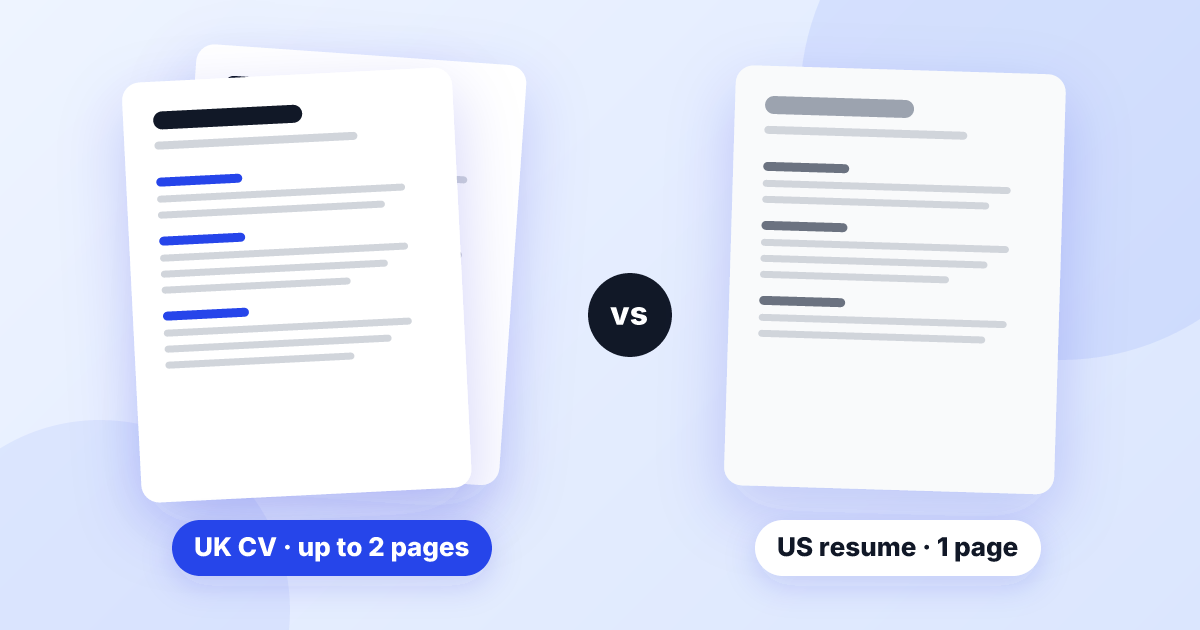
On a real page, set out in a plain font with clear spacing, this fills just under two sides of A4. Now let’s go through it section by section.
Notes: name and contact details
The name is the heading. There is no “CV” or “Curriculum Vitae” title, because the reader already knows what the document is.
- Town only, not a full address. “Nottingham” tells the employer you’re local, which is all they need at this stage.
- One phone number and one email. The email is simply her name. If yours is an old nickname, set up a new one just for job hunting.
- No photo, age or date of birth. These are normal in some countries but not in the UK.
- LinkedIn is optional. Add your profile link only if it is complete and matches your CV.
Notes: personal statement
The statement is four sentences and does three things: says what she is (an office manager with nine years’ experience), proves the scale of the job (35 staff, budget, suppliers, health and safety), and says what she wants next. A recruiter knows within seconds whether she fits their vacancy.
Notice what it leaves out: no “passionate”, “dynamic” or “go-getter”.
Weak
Strong
For more on writing this section from scratch, see our step-by-step guide to writing a UK CV.
Notes: key skills
Every skill in the example is something an employer could check or ask about: named software, a type of task, a responsibility. None of them is a personality trait. That matters for two reasons. Recruiters skip vague words, and the screening software many employers use looks for the specific terms in their job advert.
Match the advert, honestly
Notes: work experience
This is the heart of any UK CV, and it is where the example earns its interviews. A few things to copy:
- Most recent job first, with job title, type of employer, town and dates in month and year.
- More detail for recent roles. The current job gets five bullets, the previous one four, and the hotel job from the start of her career gets a single line.
- Results, not just duties. “Saving around £4,000 a year” and “now used for every new hire” show what changed because she was there.
- Present tense for ongoing duties in the current job, past tense for finished achievements and for previous jobs.
Weak
Strong
Not every bullet needs a number. “First point of contact for clients by phone, email and at reception” is fine because it shows the range of the job. Aim for at least one clear result in each recent role, and only use figures you could explain at interview.
Notes: education and extras
Education
With nine years of work behind her, education goes after experience and stays short: the degree with its classification, then a single line for A levels and GCSEs. Grades for school qualifications are no longer needed at this stage, but showing English and Maths is still useful because many employers ask for them. If you’re not sure how your qualifications compare, GOV.UK explains what the different qualification levels mean.
Additional information
This line holds certificates and licences that don’t fit elsewhere but could tip the decision: a first aid certificate and fire marshal training are genuinely useful for an office manager. In other jobs this might be a CSCS card, a DBS check, an SIA licence or a forklift licence. Hobbies are left out because they add nothing here.
References
There is no references section and no “references available on request” line. Employers assume you’ll provide them when asked.
How it looks on the page
The content matters most, but the presentation should make it easy to read. The example follows the usual UK conventions:
- one column, with the headings in bold and plenty of white space between sections
- no tables, text boxes, icons or skill bars, which screening software can misread
- a common font such as Arial or Calibri, with the body text around 11pt
- British spelling throughout: organised, programme, licence
- saved as a PDF named Joanna-Clarke-CV.pdf, unless the advert asks for a Word file
For margins, font sizes and how to line up dates, see our guide to CV format and layout in the UK.
Adapting the example to your situation
The same structure works for almost everyone in the UK. Only the emphasis changes.
Graduates and school leavers
Put education above work experience, add relevant modules or projects, and include part-time jobs and volunteering as experience. One page is enough. Our guide to writing a CV with no work experience shows how.
Changing career
Use the personal statement to name the job you want and the skills that carry over. Then pick the bullets from your past roles that prove those skills, even if the job titles look unrelated.
Returning after a break
Add a single dated line for the break, for example “Career break: raising a young family (Jan 2022 – Aug 2025)”, plus any courses or volunteering you did during it. Keep it brief and factual.
Applying from abroad or new to the UK
Follow the example’s layout rather than your home country’s, describe overseas employers briefly so a UK reader understands them, and add a short line about your right to work if it helps. Our UK CV vs US resume guide covers the details, and GOV.UK explains how to prove your right to work to an employer.
Compare your CV with the example
Put your CV next to this UK CV example and check each point:
- Does your name sit at the top as the heading, with only your town, phone and email beneath it?
- Could a stranger tell what job you do, and what you want next, from your first two lines?
- Is every item in your skills line something an employer could test or ask about?
- Does each recent job show at least one result, not only a list of duties?
- Do older roles shrink to a line each, so your recent work gets the space?
- Is your education in the right place for your stage of career?
- Have you removed the photo, date of birth, references and hobbies that say nothing?
If several answers are “no”, our guide on how to fix your CV walks through the most common problems one by one.
Rather than rebuilding your CV around an example yourself, you can turn your CV into a UK-format CV with UK CV Fix. Upload your current CV or answer a few questions, and we’ll set it out like the example above, tailored to the job you want and ready to download as Word or PDF.
A CV example is most useful as a pattern, not a script. Keep the structure of this UK CV example, write every line about your own work, and adjust it for each job you apply for.
Frequently asked questions
What does a good CV look like in the UK?
A good UK CV is one or two sides of A4 in a plain, single-column layout. It opens with your name and contact details, then a short personal statement, key skills, work experience with the most recent job first, and education. It has no photo, date of birth or other personal details.
Can I copy a CV example word for word?
Copy the structure, not the words. Recruiters read many CVs that start from the same online examples, so wording lifted from a sample makes you sound like everyone else. Keep the order and the style of bullet point, then fill it with your own jobs, results and skills.
Is a curriculum vitae the same as a CV?
Yes. CV is short for curriculum vitae, and in the UK it is the standard document you send when applying for most jobs. The example on this page shows the usual UK curriculum vitae format.
Should a UK CV example include a photo?
No. UK CVs normally leave out a photo, along with your age, date of birth, marital status and nationality. Employers judge you on your skills and experience, and these details take up space without helping.
Do I need to put references on my CV?
No. Employers ask for referees later, usually once they want to offer you the job. Leave the section off and use the space for your experience instead.